Soothing Your Nerves: Natural Remedies for Nerve Pain

Hey everyone!


Ever had that nagging, burning, or tingling feeling that just won’t quit? If so, you might be familiar with nerve pain. It’s a real buzzkill, isn’t it? While conventional medicine certainly has its place (and please, always chat with your doctor before trying anything new, especially if you have an underlying condition!), sometimes it’s nice to explore what Mother Nature has to offer.


Today, we’re diving into some natural remedies that might help soothe those jangled nerves. Think of these as potential allies in your quest for comfort, not magic bullets.

1. The Power of Movement (Gentle, of Course!)
It might sound counterintuitive, but sometimes the best thing for nerve pain is gentle movement. Think about it: our bodies are designed to move!

  • Yoga and Tai Chi: These ancient practices are fantastic for improving flexibility, strength, and balance, all while reducing stress. The slow, controlled movements can help gently stretch and strengthen muscles supporting your nerves. Plus, the meditative aspect can help calm your mind, which is a huge bonus when dealing with chronic pain.
  • Walking: Even a short, brisk walk can boost circulation and release endorphins, your body’s natural painkillers. Don’t overdo it, though! Listen to your body and keep it comfortable.

2. The Anti-Inflammatory Kitchen
What we eat can have a profound impact on our bodies, including inflammation, which often plays a role in nerve pain.

  • Turmeric: This golden spice is a superstar when it comes to anti-inflammatory properties thanks to its active compound, curcumin. Try adding it to your curries, smoothies, or even a warm cup of “golden milk.”
  • Omega-3 Fatty Acids: Found in fatty fish (salmon, mackerel), flaxseeds, and walnuts, omega-3s are known for their anti-inflammatory effects. They’re like little calm-down signals for your cells.
  • Ginger: Another fantastic anti-inflammatory root, ginger can be enjoyed in teas, stir-fries, or even candied (in moderation!).

3. Herbal Helpers
Nature’s pharmacy offers a few interesting options for nerve support.

  • Alpha-lipoic Acid: This powerful antioxidant has been studied for its potential to improve nerve function, particularly in cases of diabetic neuropathy. You can find it as a supplement.
  • St. John’s Wort: While often associated with mood support, St. John’s Wort has also been traditionally used for nerve pain, especially when there’s a depressive component. However, it’s crucial to be aware that it can interact with many medications, so always discuss this with your doctor first!
  • Capsaicin Cream: Derived from chili peppers, capsaicin works by depleting a neurotransmitter called substance P, which is involved in transmitting pain signals. It might create a warm or burning sensation at first, but it can provide relief for some. Start with a low concentration and patch test!

4. The Chill-Out Zone: Stress Reduction
Stress and nerve pain can be a vicious cycle. When you’re stressed, your muscles can tense up, potentially exacerbating nerve compression.

  • Meditation and Deep Breathing: Taking even a few minutes a day to focus on your breath and calm your mind can make a huge difference. There are tons of free apps and guided meditations available.
  • Epsom Salt Baths: The magnesium in Epsom salts can be absorbed through the skin and may help relax muscles and calm the nervous system. Plus, a warm bath is just plain relaxing!

Important Considerations:

  • Consistency is Key: Natural remedies often take time to show results. Be patient and consistent with your chosen approaches.
  • Listen to Your Body: What works for one person might not work for another. Pay attention to how your body responds and adjust accordingly.
  • Consult Your Doctor: Seriously, I can’t stress this enough! Before starting any new natural remedy, especially if you’re on medication or have an underlying health condition, talk to your doctor. They can help ensure it’s safe and appropriate for you.


Nerve pain can be incredibly challenging, but by exploring a holistic approach that includes gentle movement, a healthy diet, targeted herbal support, and stress reduction, you might just find some much-needed relief.


Have you tried any natural remedies for nerve pain that you swear by?

Share your experiences in the comments below!
Stay well!
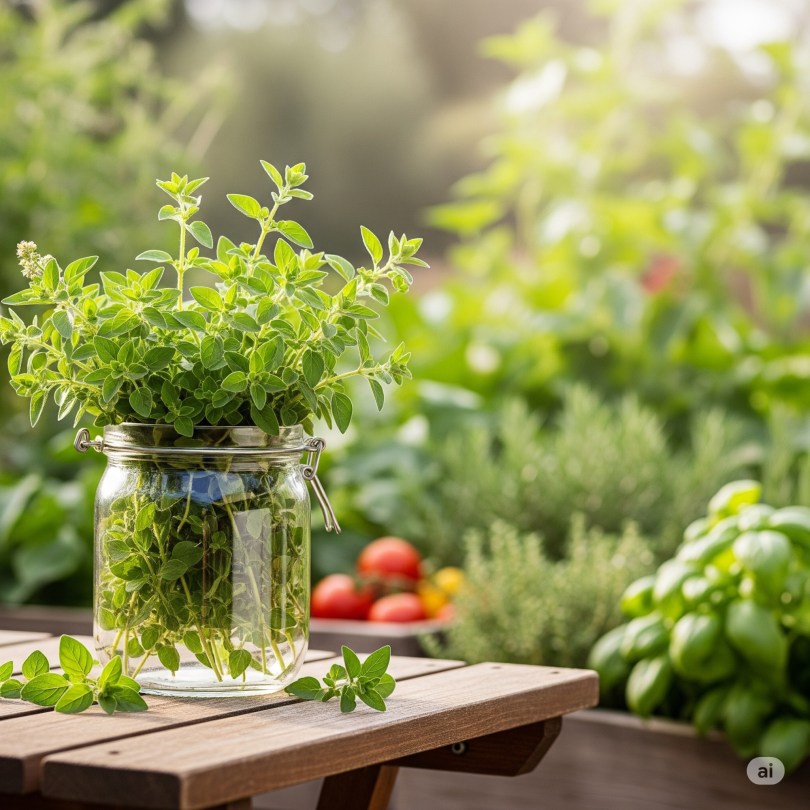
Oregano: More Than Just a Pizza Topping


We all know oregano. It’s that familiar, aromatic herb that pops up in everything from your favorite pasta sauce to a sprinkle on your pizza. But what if I told you that this humble little plant is far more than just a culinary sidekick? What if it’s a potent force for well-being, hiding a treasure trove of health benefits within its tiny leaves?
You might be picturing some obscure, exotic superfood, but nope, we’re talking about good ol’ oregano. And in the world of holistic health, where we look to nature for wisdom and wellness, oregano truly shines.


So, let’s dive into why this unassuming herb deserves a prime spot in your pantry, not just for flavor, but for your health too.
The Powerhouse Within
Oregano, particularly its essential oil, is packed with powerful compounds. The two most celebrated are carvacrol and thymol. These aren’t just fancy scientific names; they’re the superstars responsible for much of oregano’s therapeutic magic. Think of them as nature’s tiny warriors, ready to defend your body.


A Natural Defender
One of the most impressive things about oregano is its incredible antimicrobial properties. This means it can help fight off various unwelcome guests like bacteria, viruses, and fungi. Feeling a sniffle coming on? A little oregano might just be your new best friend. It’s why some people swear by oregano oil during cold and flu season. (Always dilute essential oils and consult a healthcare professional before internal use!)


Beyond fighting off invaders, oregano also boasts impressive antioxidant power. What does that mean for you? Antioxidants are like tiny shields that protect your cells from damage caused by free radicals – those pesky molecules that contribute to aging and various health issues. So, in essence, oregano helps keep your cells happy and healthy.

Soothing and Supporting
But the benefits don’t stop there. Oregano has also been traditionally used for its anti-inflammatory properties. Chronic inflammation is at the root of many modern ailments, so anything that can help calm that internal fire is a win in our book.
And if you’re looking for digestive support, oregano can lend a hand there too. It’s been known to help soothe digestive upset and promote a healthy gut environment. A happy gut often means a happy you!


How to Embrace the Oregano Way

So, how can you incorporate more of this amazing herb into your life?

  • Culinary Delights: This is the easiest and most delicious way! Sprinkle fresh or dried oregano generously on your roasted vegetables, in soups, stews, marinades, and of course, all your Italian-inspired dishes.
  • Oregano Tea: For a comforting and beneficial brew, steep a teaspoon of dried oregano in hot water for 5-10 minutes.
  • Essential Oil (with caution!): Oregano essential oil is potent. If considering internal use, always dilute it heavily with a carrier oil like olive oil and consult with a qualified healthcare practitioner or aromatherapist. It’s also great for topical application (diluted!) for things like muscle aches.
  • Supplements: Oregano oil supplements are also available, but again, always discuss with your doctor before adding new supplements to your routine. https://amzn.to/3ZzFJWN

A Holistic Perspective


From a holistic standpoint, oregano reminds us that nature provides us with incredible tools for wellness. It’s a testament to the idea that sometimes, the most profound health benefits come from the simplest, most accessible sources. So, next time you reach for that jar of oregano, remember you’re not just adding flavor; you’re inviting a little bit of natural power into your life.
Here’s to a healthier, more vibrant you, one sprinkle of oregano at a time!

The Humble Mint: A Powerhouse of Healing and Comfort


Few plants are as universally recognized and beloved as mint. From its invigorating aroma to its refreshing taste, mint has graced our culinary creations and soothed our senses for centuries. But beyond its delightful presence in our kitchens and gardens, this unassuming herb holds a profound secret: a rich tapestry of medicinal and holistic uses that have been cherished across cultures for millennia.


Mint, a member of the Lamiaceae family, boasts an impressive lineage of varieties, each with its own unique charm and therapeutic profile. Peppermint, spearmint, and even the more exotic chocolate mint all share a common thread of potent compounds that contribute to their healing prowess.


A Balm for the Body: Mint’s Medicinal Marvels
The medicinal applications of mint are truly vast, touching upon various aspects of our physical well-being.

  • Digestive Dynamo: Perhaps mint’s most renowned medicinal use lies in its ability to calm and support the digestive system. Whether it’s a rumbling stomach, indigestion, bloating, or even the discomfort of irritable bowel syndrome (IBS), mint, particularly peppermint, acts as a gentle antispasmodic. Its active compound, menthol, helps relax the smooth muscles of the gastrointestinal tract, easing spasms and promoting the smooth passage of food. A warm cup of mint tea after a meal is not just a pleasant ritual, but a soothing balm for a weary gut.
  • Respiratory Relief: When coughs, colds, and congestion strike, mint steps forward as a natural decongestant and expectorant. The menthol in mint provides that familiar “cooling” sensation, which helps to open up airways and alleviate stuffiness. Inhaling the steam from a bowl of hot water infused with mint leaves, or applying a diluted mint essential oil to the chest, can offer significant relief from respiratory discomfort.
  • Headache Helper: For those who suffer from tension headaches or even migraines, mint can be a comforting ally. The cooling and analgesic properties of menthol, when applied topically to the temples or forehead, can help soothe throbbing pain by promoting blood flow and relaxing tense muscles.
  • Pain and Inflammation: Beyond headaches, mint possesses mild analgesic and anti-inflammatory properties. This makes it a potential natural remedy for minor aches and pains, such as sore muscles or joint discomfort. Compresses infused with mint can offer localized relief.
  • Nausea Nurturer: The delicate balance of our stomach can be easily disrupted, leading to feelings of nausea. Mint, particularly peppermint, has long been used to quell queasiness, whether it’s from motion sickness, morning sickness, or general digestive upset. Its calming effect on the stomach can bring welcome relief.

Beyond the Physical: Mint’s Holistic Embrace
The wisdom of traditional healing systems has always recognized that true well-being extends beyond the purely physical. Mint, in its holistic essence, offers comfort and support on emotional and energetic levels as well.

  • Aromatherapy for the Soul: The invigorating aroma of mint is not just pleasing to the nose; it has a profound impact on our mental state. In aromatherapy, mint essential oil is often diffused to promote alertness, improve focus, and combat mental fatigue. Its uplifting scent can clear the mind and invigorate the spirit, helping to dispel feelings of lethargy or brain fog.
  • Stress Soother: While invigorating, mint also possesses a calming paradox. Its ability to ease physical tension can translate into mental relaxation. A warm mint bath, or even just sitting with a fresh sprig of mint and inhaling its scent, can help to melt away stress and promote a sense of tranquility.
  • Emotional Uplift: For centuries, mint has been associated with clarity, refreshment, and renewal. In many cultures, it symbolizes hospitality and welcome. Incorporating mint into your daily life, whether through tea, aromatherapy, or simply having a mint plant nearby, can foster a sense of emotional uplift and positive energy.
    Embracing Mint in Your Life
    Integrating mint into your daily routine is wonderfully simple.
  • Mint Tea: The most classic and comforting way to enjoy mint. Use fresh or dried leaves for a soothing infusion.
  • Fresh in Cuisine: Add fresh mint to salads, fruit dishes, smoothies, or even infused water for a burst of flavor and health benefits.
  • Essential Oil: Diluted peppermint essential oil can be used topically for headaches or diffused for aromatherapy. Always dilute essential oils before applying to the skin.
  • Herbal Baths: Add fresh mint leaves or a few drops of diluted mint essential oil to your bathwater for a relaxing and invigorating soak.
  • Gardening: Growing your own mint is not only rewarding but ensures a fresh supply of this incredible herb. Be mindful, as mint can be quite vigorous in spreading!
    As with any natural remedy, it’s always wise to listen to your body and consult with a healthcare professional, especially if you have underlying health conditions or are taking medications.

In its humble green leaves, mint offers us a potent reminder of nature’s profound ability to heal and comfort. So, the next time you encounter this remarkable herb, take a moment to appreciate its multifaceted gifts – a true testament to the gentle yet powerful wisdom that thrives all around us. Embrace the mint, and allow its ancient magic to bring a touch of healing and serenity into your life.

Thyme: More Than Just a Pretty Herb


Hey everyone! I hope you all enjoyed the Memorial Day holiday!

Let’s talk about an unsung hero of the herb world: Thyme. You know, that little plant that often gets sprinkled on roasted chicken or potatoes? Well, it’s so much more than just a culinary sidekick. Thyme has a rich history and a boatload of health benefits that make it truly remarkable. So, grab a cup of tea (maybe with a sprig of thyme?), and let’s dive in!

A Trip Through Time: Where Did Thyme Come From?


Thyme, or Thymus vulgaris to get all scientific, has roots stretching back to ancient civilizations. Its name is thought to come from the Greek word “thymos,” meaning “perfume,” a nod to its delightful aroma. The ancient Egyptians used thyme for embalming, while the Greeks believed it was a source of courage and would burn it as incense in their temples. Roman soldiers would even bathe in thyme-infused water to boost their bravery!

Talk about a confidence booster. Fast forward to the Middle Ages, and thyme was placed under pillows to ward off nightmares and even given to knights before battle as a symbol of courage. It’s clear this little herb has always been associated with strength and protection.


Tiny Leaves, Big Benefits: The Health Power of Thyme


Beyond its aromatic charm, thyme is packed with compounds that offer some serious health perks. One of its most active ingredients is thymol, a powerful antiseptic and antifungal. This is why you’ll often find thymol in mouthwashes and hand sanitizers!


Here are some of the key health benefits that make thyme a true wellness star:

  • Immune System Support: With its impressive array of vitamins (like Vitamin C and A) and minerals, thyme can give your immune system a natural boost, helping your body fight off infections.
  • Anti-inflammatory Properties: The compounds in thyme can help reduce inflammation in the body, which is good news for everything from joint pain to digestive issues.
  • Digestive Aid: Thyme can help calm an upset stomach and promote healthy digestion thanks to its antispasmodic properties.
    Beyond the Kitchen: Thyme’s Holistic Healing Usage
    The holistic world has embraced thyme for centuries, recognizing its multifaceted healing abilities. Here are a few ways it’s used in holistic practices:
  • Aromatherapy: The essential oil of thyme is often diffused to help clear congestion, reduce stress, and uplift mood. Its fresh, herbaceous scent is both invigorating and calming.
  • Herbal Teas and Infusions: As mentioned, thyme tea is a popular remedy for respiratory ailments. It can also be a soothing evening beverage to promote relaxation.
  • Topical Applications: Thyme-infused oils or poultices can be applied to the skin to soothe muscle aches, minor cuts, and even fungal infections. Remember to always dilute essential oils properly before topical use!
  • Gargles and Mouthwashes: Due to its antiseptic properties, a strong thyme infusion can be used as a natural gargle for sore throats or as a mouthwash to freshen breath and promote oral hygiene.

So, the next time you reach for that little jar of dried thyme, or better yet, a fresh sprig, take a moment to appreciate the incredible journey and powerful properties of this unassuming herb. From ancient battlefields to modern-day wellness routines, thyme continues to prove that good things often come in small, fragrant packages!


Have you ever used Thyme? What are your favorite ways to use it? Share your tips in the comments below!

Rosemary: Much More Than Just a Fragrant Herb in Your Kitchen!

That woody, aromatic herb you often toss into your roasted potatoes or sprinkle over chicken? That’s rosemary, and it’s far more than just a culinary delight. Rosmarinus officinalis, meaning “dew of the sea” in Latin, has been cherished for centuries not only for its distinctive flavor but for its impressive array of health benefits. From ancient Greeks to modern scientists, people have recognized the power packed into these needle-like leaves.

Let’s dive into why rosemary deserves a starring role not just in your pantry, but in your wellness routine too!

A Glimpse into Rosemary’s Rich History

Rosemary’s roots run deep. It was considered sacred by the ancient Greeks, Romans, Egyptians, and Hebrews, used in everything from religious ceremonies to medicinal preparations. Students in ancient Greece would wear rosemary wreaths during exams, believing it would improve their memory (a belief that science is now starting to back up!). During the Middle Ages, it was widely used to ward off evil spirits and even to preserve meat. This long history hints at a wealth of benefits beyond just taste.

The Science-Backed Health Benefits of Rosemary

So, what makes rosemary so special? It’s rich in powerful compounds like carnosic acid, rosmarinic acid, and other antioxidants and anti-inflammatory substances. Here’s a closer look at the health benefits it offers:

  1. Brain Booster & Memory Enhancer: This is perhaps one of rosemary’s most well-known traditional uses, and modern research is catching up! Compounds in rosemary, particularly carnosic acid, have neuroprotective properties. They can help protect brain cells from damage and may even stimulate nerve growth factor, which is crucial for brain health.
    • Studies suggest: Inhaling the aroma of rosemary essential oil has been linked to improved memory recall and increased alertness. Drinking rosemary tea or including it in your diet may also contribute to better cognitive function over time. It’s like a natural brain tonic!
  2. Potent Antioxidant Powerhouse: Our bodies are constantly battling free radicals, unstable molecules that can damage cells and contribute to aging and disease. Rosemary is brimming with antioxidants that neutralize these harmful free radicals. Rosmarinic acid, in particular, is a strong antioxidant found in rosemary.
    • What this means for you: A diet rich in antioxidants helps protect your cells, potentially reducing the risk of chronic diseases and supporting overall health.
  3. Natural Anti-Inflammatory Agent: Chronic inflammation is a silent culprit behind many serious health issues, including heart disease, arthritis, and certain cancers. Rosemary contains compounds that exhibit significant anti-inflammatory effects.
    • How it helps: By reducing inflammation, rosemary can help alleviate pain (especially in conditions like arthritis), improve joint health, and contribute to a healthier internal environment.
  4. Digestive Aid: For centuries, rosemary has been used to soothe digestive upset. It can help relax the smooth muscles of the digestive tract, which can alleviate gas, bloating, and indigestion.
    • Tip: A warm cup of rosemary tea after a meal can be a great way to support digestion.
  5. Immune System Support: With its rich antioxidant content, rosemary also plays a role in bolstering your immune system. By protecting cells from oxidative stress, it helps your body’s natural defenses stay strong and ready to fight off infections.
    • Keep those sniffles away: Incorporating rosemary into your diet regularly could give your immune system a little extra boost.
  6. Hair and Scalp Health: Rosemary oil is a popular natural remedy for hair growth and scalp health. It’s believed to improve circulation to the scalp, which can stimulate hair follicles and prevent hair loss. It also has antimicrobial properties that can help with dandruff and itchy scalp.
    • How to use: Dilute rosemary essential oil with a carrier oil (like jojoba or coconut oil) and massage it into your scalp, or look for hair products that list rosemary extract.

How to Incorporate More Rosemary into Your Life

Ready to reap the benefits? It’s incredibly easy to add more rosemary to your daily routine:

  • Cooking: This is the most common way! Add fresh or dried rosemary to roasted vegetables, poultry, lamb, stews, soups, and even baked goods like focaccia.
  • Tea: Steep a few sprigs of fresh rosemary (or a teaspoon of dried) in hot water for 5-10 minutes for a fragrant, health-boosting tea.
  • Essential Oil: Use high-quality rosemary essential oil in a diffuser for aromatherapy benefits (memory, focus). For topical use (like on your scalp), always dilute it with a carrier oil.
  • Infused Oil/Vinegar: Infuse olive oil or apple cider vinegar with rosemary sprigs for a flavorful and beneficial addition to salads and dressings.

A Word of Caution

While generally safe for most people in culinary amounts, always remember that powerful herbs can have powerful effects. If you’re pregnant, breastfeeding, taking medications (especially blood thinners), or have underlying health conditions, it’s always wise to consult with your doctor or a qualified healthcare professional before using rosemary in medicinal quantities or as a concentrated supplement.

So, the next time you encounter that distinctive aroma of rosemary, remember you’re not just enjoying a delightful flavor. You’re tapping into a rich history of natural healing and embracing a herb packed with incredible benefits for your brain, body, and overall well-being!

The Green Pharmacy: Can Herbs Really Rival Your Medicine Cabinet?

It’s a common scene: you’ve got a nagging headache, a stuffy nose, or a pesky cough, and your first thought is probably to reach for that familiar bottle of pain relievers or cold syrup. Over-the-counter (OTC) medications have become our go-to for minor ailments, offering quick and convenient relief. But what if nature held equally potent, if not sometimes gentler, solutions?

For centuries, before the advent of modern pharmaceuticals, people around the world relied on natural herbal remedies to heal. From ancient Chinese medicine to Native American traditions and Ayurvedic practices, herbs have been the original pharmacy. And increasingly, as we learn more about the complexities of our bodies and the potential side effects of synthetic drugs, there’s a growing interest in revisiting these age-old wisdoms.

Are Herbs Just as Good as OTCs? Let’s Talk Nuance.

To say that natural herbal remedies can always heal a person just as well as over-the-counter medicine might be an oversimplification, but it’s a conversation worth having. The truth is, for many common, non-life-threatening conditions, certain herbs can offer significant relief and even address the root cause of an issue, often with fewer side effects than their synthetic counterparts.

Here’s why the “green pharmacy” deserves our attention:

  • Synergistic Compounds: Unlike many OTC medications that isolate a single active ingredient, herbs contain a complex array of compounds (vitamins, minerals, antioxidants, essential oils, etc.) that work together synergistically. This holistic action can sometimes lead to more balanced healing and address multiple symptoms or underlying imbalances at once.
    • Example: Turmeric isn’t just about curcumin; it’s a whole root with numerous beneficial compounds that contribute to its anti-inflammatory properties.
  • Targeting Root Causes: Many herbal traditions focus on rebalancing the body and supporting its natural healing processes, rather than just suppressing symptoms. For instance, instead of just blocking pain, certain herbs might help reduce inflammation that causes the pain.
  • Fewer Side Effects (Often): Because they are derived from nature and often processed minimally, many herbal remedies tend to have a gentler profile on the body. While side effects are always possible with anything that impacts your physiology, they are often less severe or less common than those associated with some conventional drugs.
  • Accessibility and Sustainability: For many communities globally, herbal medicine remains the primary, most accessible, and sustainable form of healthcare.

Common Ailments, Natural Solutions:

Let’s look at a few examples where herbs frequently step up to the plate:

  • Headaches: Instead of reaching for ibuprofen, consider peppermint oil applied topically to the temples, or a cup of feverfew tea, both traditionally used for headache relief.
  • Digestive Upset: For indigestion, nausea, or bloating, ginger (fresh or in tea) is a powerful ally. Chamomile tea can soothe an upset stomach and relax digestive muscles.
  • Sleep Issues: If you’re struggling to drift off, valerian root or lavender (as an essential oil or in tea) are often suggested as natural sedatives, promoting relaxation without the grogginess associated with some sleep aids.
  • Coughs and Colds: Echinacea is popular for immune support, while elderberry is widely used to shorten the duration and severity of colds and flu. For a sore throat, licorice root tea can be incredibly soothing.

Important Considerations: Responsible Herbal Use

While the potential of herbal remedies is exciting, it’s crucial to approach them with respect and knowledge:

  • Quality Matters: Not all herbal supplements are created equal. Look for reputable brands that prioritize purity, potency, and sustainable sourcing.
  • Dosage is Key: Just like OTC meds, herbs need to be taken in appropriate doses. More is not always better and can sometimes be harmful.
  • Interactions: Herbs can interact with prescription medications, other supplements, and existing health conditions. Always inform your doctor or a qualified healthcare professional about any herbal remedies you’re taking.
  • Severity of Illness: For serious or chronic conditions, or when symptoms persist, always consult a medical doctor. Herbs can complement, but not always replace, conventional medical care.
  • Individual Response: What works for one person might not work for another. It’s a journey of discovery.

The Future is Integrative

Ultimately, the most effective approach to health often lies in integrating the best of both worlds. Understanding when a natural remedy might be appropriate, and when conventional medicine is necessary, empowers you to make informed decisions for your well-being. The “green pharmacy” isn’t here to replace modern medicine entirely, but to offer a powerful, time-tested, and often gentle alternative or complement, proving that healing can indeed come from the earth around us.

Have you had success with herbal remedies? Share your experiences in the comments below!

The Kitchen: Your Natural Medicine Cabinet

Get ready to transform your kitchen into a healing apothecary! I’m thrilled to announce an upcoming series focused on the incredible power of herbs you likely already have in your pantry. We’ll be diving deep into the surprising medicinal properties of everyday spices and culinary staples, exploring how these accessible ingredients can boost your health and well-being.
From soothing upset stomachs to fighting inflammation, the remedies are closer than you think. Join me as we uncover the ancient wisdom and modern science behind these natural healers, and learn practical ways to incorporate them into your daily routine for a healthier, happier you. If you haven’t already, check out the first installment of this series named “Rosemary” and Stay tuned for the second installment!