Soothing Your Nerves: Natural Remedies for Nerve Pain

Hey everyone!


Ever had that nagging, burning, or tingling feeling that just won’t quit? If so, you might be familiar with nerve pain. It’s a real buzzkill, isn’t it? While conventional medicine certainly has its place (and please, always chat with your doctor before trying anything new, especially if you have an underlying condition!), sometimes it’s nice to explore what Mother Nature has to offer.


Today, we’re diving into some natural remedies that might help soothe those jangled nerves. Think of these as potential allies in your quest for comfort, not magic bullets.

1. The Power of Movement (Gentle, of Course!)
It might sound counterintuitive, but sometimes the best thing for nerve pain is gentle movement. Think about it: our bodies are designed to move!

  • Yoga and Tai Chi: These ancient practices are fantastic for improving flexibility, strength, and balance, all while reducing stress. The slow, controlled movements can help gently stretch and strengthen muscles supporting your nerves. Plus, the meditative aspect can help calm your mind, which is a huge bonus when dealing with chronic pain.
  • Walking: Even a short, brisk walk can boost circulation and release endorphins, your body’s natural painkillers. Don’t overdo it, though! Listen to your body and keep it comfortable.

2. The Anti-Inflammatory Kitchen
What we eat can have a profound impact on our bodies, including inflammation, which often plays a role in nerve pain.

  • Turmeric: This golden spice is a superstar when it comes to anti-inflammatory properties thanks to its active compound, curcumin. Try adding it to your curries, smoothies, or even a warm cup of “golden milk.”
  • Omega-3 Fatty Acids: Found in fatty fish (salmon, mackerel), flaxseeds, and walnuts, omega-3s are known for their anti-inflammatory effects. They’re like little calm-down signals for your cells.
  • Ginger: Another fantastic anti-inflammatory root, ginger can be enjoyed in teas, stir-fries, or even candied (in moderation!).

3. Herbal Helpers
Nature’s pharmacy offers a few interesting options for nerve support.

  • Alpha-lipoic Acid: This powerful antioxidant has been studied for its potential to improve nerve function, particularly in cases of diabetic neuropathy. You can find it as a supplement.
  • St. John’s Wort: While often associated with mood support, St. John’s Wort has also been traditionally used for nerve pain, especially when there’s a depressive component. However, it’s crucial to be aware that it can interact with many medications, so always discuss this with your doctor first!
  • Capsaicin Cream: Derived from chili peppers, capsaicin works by depleting a neurotransmitter called substance P, which is involved in transmitting pain signals. It might create a warm or burning sensation at first, but it can provide relief for some. Start with a low concentration and patch test!

4. The Chill-Out Zone: Stress Reduction
Stress and nerve pain can be a vicious cycle. When you’re stressed, your muscles can tense up, potentially exacerbating nerve compression.

  • Meditation and Deep Breathing: Taking even a few minutes a day to focus on your breath and calm your mind can make a huge difference. There are tons of free apps and guided meditations available.
  • Epsom Salt Baths: The magnesium in Epsom salts can be absorbed through the skin and may help relax muscles and calm the nervous system. Plus, a warm bath is just plain relaxing!

Important Considerations:

  • Consistency is Key: Natural remedies often take time to show results. Be patient and consistent with your chosen approaches.
  • Listen to Your Body: What works for one person might not work for another. Pay attention to how your body responds and adjust accordingly.
  • Consult Your Doctor: Seriously, I can’t stress this enough! Before starting any new natural remedy, especially if you’re on medication or have an underlying health condition, talk to your doctor. They can help ensure it’s safe and appropriate for you.


Nerve pain can be incredibly challenging, but by exploring a holistic approach that includes gentle movement, a healthy diet, targeted herbal support, and stress reduction, you might just find some much-needed relief.


Have you tried any natural remedies for nerve pain that you swear by?

Share your experiences in the comments below!
Stay well!
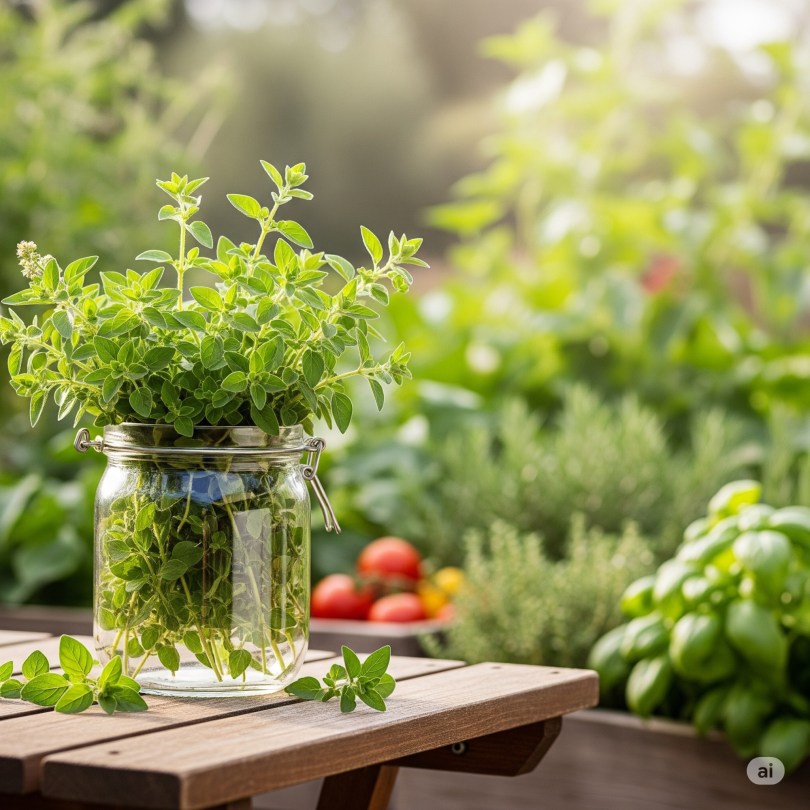
Oregano: More Than Just a Pizza Topping


We all know oregano. It’s that familiar, aromatic herb that pops up in everything from your favorite pasta sauce to a sprinkle on your pizza. But what if I told you that this humble little plant is far more than just a culinary sidekick? What if it’s a potent force for well-being, hiding a treasure trove of health benefits within its tiny leaves?
You might be picturing some obscure, exotic superfood, but nope, we’re talking about good ol’ oregano. And in the world of holistic health, where we look to nature for wisdom and wellness, oregano truly shines.


So, let’s dive into why this unassuming herb deserves a prime spot in your pantry, not just for flavor, but for your health too.
The Powerhouse Within
Oregano, particularly its essential oil, is packed with powerful compounds. The two most celebrated are carvacrol and thymol. These aren’t just fancy scientific names; they’re the superstars responsible for much of oregano’s therapeutic magic. Think of them as nature’s tiny warriors, ready to defend your body.


A Natural Defender
One of the most impressive things about oregano is its incredible antimicrobial properties. This means it can help fight off various unwelcome guests like bacteria, viruses, and fungi. Feeling a sniffle coming on? A little oregano might just be your new best friend. It’s why some people swear by oregano oil during cold and flu season. (Always dilute essential oils and consult a healthcare professional before internal use!)


Beyond fighting off invaders, oregano also boasts impressive antioxidant power. What does that mean for you? Antioxidants are like tiny shields that protect your cells from damage caused by free radicals – those pesky molecules that contribute to aging and various health issues. So, in essence, oregano helps keep your cells happy and healthy.

Soothing and Supporting
But the benefits don’t stop there. Oregano has also been traditionally used for its anti-inflammatory properties. Chronic inflammation is at the root of many modern ailments, so anything that can help calm that internal fire is a win in our book.
And if you’re looking for digestive support, oregano can lend a hand there too. It’s been known to help soothe digestive upset and promote a healthy gut environment. A happy gut often means a happy you!


How to Embrace the Oregano Way

So, how can you incorporate more of this amazing herb into your life?

  • Culinary Delights: This is the easiest and most delicious way! Sprinkle fresh or dried oregano generously on your roasted vegetables, in soups, stews, marinades, and of course, all your Italian-inspired dishes.
  • Oregano Tea: For a comforting and beneficial brew, steep a teaspoon of dried oregano in hot water for 5-10 minutes.
  • Essential Oil (with caution!): Oregano essential oil is potent. If considering internal use, always dilute it heavily with a carrier oil like olive oil and consult with a qualified healthcare practitioner or aromatherapist. It’s also great for topical application (diluted!) for things like muscle aches.
  • Supplements: Oregano oil supplements are also available, but again, always discuss with your doctor before adding new supplements to your routine. https://amzn.to/3ZzFJWN

A Holistic Perspective


From a holistic standpoint, oregano reminds us that nature provides us with incredible tools for wellness. It’s a testament to the idea that sometimes, the most profound health benefits come from the simplest, most accessible sources. So, next time you reach for that jar of oregano, remember you’re not just adding flavor; you’re inviting a little bit of natural power into your life.
Here’s to a healthier, more vibrant you, one sprinkle of oregano at a time!

The Humble Mint: A Powerhouse of Healing and Comfort


Few plants are as universally recognized and beloved as mint. From its invigorating aroma to its refreshing taste, mint has graced our culinary creations and soothed our senses for centuries. But beyond its delightful presence in our kitchens and gardens, this unassuming herb holds a profound secret: a rich tapestry of medicinal and holistic uses that have been cherished across cultures for millennia.


Mint, a member of the Lamiaceae family, boasts an impressive lineage of varieties, each with its own unique charm and therapeutic profile. Peppermint, spearmint, and even the more exotic chocolate mint all share a common thread of potent compounds that contribute to their healing prowess.


A Balm for the Body: Mint’s Medicinal Marvels
The medicinal applications of mint are truly vast, touching upon various aspects of our physical well-being.

  • Digestive Dynamo: Perhaps mint’s most renowned medicinal use lies in its ability to calm and support the digestive system. Whether it’s a rumbling stomach, indigestion, bloating, or even the discomfort of irritable bowel syndrome (IBS), mint, particularly peppermint, acts as a gentle antispasmodic. Its active compound, menthol, helps relax the smooth muscles of the gastrointestinal tract, easing spasms and promoting the smooth passage of food. A warm cup of mint tea after a meal is not just a pleasant ritual, but a soothing balm for a weary gut.
  • Respiratory Relief: When coughs, colds, and congestion strike, mint steps forward as a natural decongestant and expectorant. The menthol in mint provides that familiar “cooling” sensation, which helps to open up airways and alleviate stuffiness. Inhaling the steam from a bowl of hot water infused with mint leaves, or applying a diluted mint essential oil to the chest, can offer significant relief from respiratory discomfort.
  • Headache Helper: For those who suffer from tension headaches or even migraines, mint can be a comforting ally. The cooling and analgesic properties of menthol, when applied topically to the temples or forehead, can help soothe throbbing pain by promoting blood flow and relaxing tense muscles.
  • Pain and Inflammation: Beyond headaches, mint possesses mild analgesic and anti-inflammatory properties. This makes it a potential natural remedy for minor aches and pains, such as sore muscles or joint discomfort. Compresses infused with mint can offer localized relief.
  • Nausea Nurturer: The delicate balance of our stomach can be easily disrupted, leading to feelings of nausea. Mint, particularly peppermint, has long been used to quell queasiness, whether it’s from motion sickness, morning sickness, or general digestive upset. Its calming effect on the stomach can bring welcome relief.

Beyond the Physical: Mint’s Holistic Embrace
The wisdom of traditional healing systems has always recognized that true well-being extends beyond the purely physical. Mint, in its holistic essence, offers comfort and support on emotional and energetic levels as well.

  • Aromatherapy for the Soul: The invigorating aroma of mint is not just pleasing to the nose; it has a profound impact on our mental state. In aromatherapy, mint essential oil is often diffused to promote alertness, improve focus, and combat mental fatigue. Its uplifting scent can clear the mind and invigorate the spirit, helping to dispel feelings of lethargy or brain fog.
  • Stress Soother: While invigorating, mint also possesses a calming paradox. Its ability to ease physical tension can translate into mental relaxation. A warm mint bath, or even just sitting with a fresh sprig of mint and inhaling its scent, can help to melt away stress and promote a sense of tranquility.
  • Emotional Uplift: For centuries, mint has been associated with clarity, refreshment, and renewal. In many cultures, it symbolizes hospitality and welcome. Incorporating mint into your daily life, whether through tea, aromatherapy, or simply having a mint plant nearby, can foster a sense of emotional uplift and positive energy.
    Embracing Mint in Your Life
    Integrating mint into your daily routine is wonderfully simple.
  • Mint Tea: The most classic and comforting way to enjoy mint. Use fresh or dried leaves for a soothing infusion.
  • Fresh in Cuisine: Add fresh mint to salads, fruit dishes, smoothies, or even infused water for a burst of flavor and health benefits.
  • Essential Oil: Diluted peppermint essential oil can be used topically for headaches or diffused for aromatherapy. Always dilute essential oils before applying to the skin.
  • Herbal Baths: Add fresh mint leaves or a few drops of diluted mint essential oil to your bathwater for a relaxing and invigorating soak.
  • Gardening: Growing your own mint is not only rewarding but ensures a fresh supply of this incredible herb. Be mindful, as mint can be quite vigorous in spreading!
    As with any natural remedy, it’s always wise to listen to your body and consult with a healthcare professional, especially if you have underlying health conditions or are taking medications.

In its humble green leaves, mint offers us a potent reminder of nature’s profound ability to heal and comfort. So, the next time you encounter this remarkable herb, take a moment to appreciate its multifaceted gifts – a true testament to the gentle yet powerful wisdom that thrives all around us. Embrace the mint, and allow its ancient magic to bring a touch of healing and serenity into your life.

Thyme: More Than Just a Pretty Herb


Hey everyone! I hope you all enjoyed the Memorial Day holiday!

Let’s talk about an unsung hero of the herb world: Thyme. You know, that little plant that often gets sprinkled on roasted chicken or potatoes? Well, it’s so much more than just a culinary sidekick. Thyme has a rich history and a boatload of health benefits that make it truly remarkable. So, grab a cup of tea (maybe with a sprig of thyme?), and let’s dive in!

A Trip Through Time: Where Did Thyme Come From?


Thyme, or Thymus vulgaris to get all scientific, has roots stretching back to ancient civilizations. Its name is thought to come from the Greek word “thymos,” meaning “perfume,” a nod to its delightful aroma. The ancient Egyptians used thyme for embalming, while the Greeks believed it was a source of courage and would burn it as incense in their temples. Roman soldiers would even bathe in thyme-infused water to boost their bravery!

Talk about a confidence booster. Fast forward to the Middle Ages, and thyme was placed under pillows to ward off nightmares and even given to knights before battle as a symbol of courage. It’s clear this little herb has always been associated with strength and protection.


Tiny Leaves, Big Benefits: The Health Power of Thyme


Beyond its aromatic charm, thyme is packed with compounds that offer some serious health perks. One of its most active ingredients is thymol, a powerful antiseptic and antifungal. This is why you’ll often find thymol in mouthwashes and hand sanitizers!


Here are some of the key health benefits that make thyme a true wellness star:

  • Immune System Support: With its impressive array of vitamins (like Vitamin C and A) and minerals, thyme can give your immune system a natural boost, helping your body fight off infections.
  • Anti-inflammatory Properties: The compounds in thyme can help reduce inflammation in the body, which is good news for everything from joint pain to digestive issues.
  • Digestive Aid: Thyme can help calm an upset stomach and promote healthy digestion thanks to its antispasmodic properties.
    Beyond the Kitchen: Thyme’s Holistic Healing Usage
    The holistic world has embraced thyme for centuries, recognizing its multifaceted healing abilities. Here are a few ways it’s used in holistic practices:
  • Aromatherapy: The essential oil of thyme is often diffused to help clear congestion, reduce stress, and uplift mood. Its fresh, herbaceous scent is both invigorating and calming.
  • Herbal Teas and Infusions: As mentioned, thyme tea is a popular remedy for respiratory ailments. It can also be a soothing evening beverage to promote relaxation.
  • Topical Applications: Thyme-infused oils or poultices can be applied to the skin to soothe muscle aches, minor cuts, and even fungal infections. Remember to always dilute essential oils properly before topical use!
  • Gargles and Mouthwashes: Due to its antiseptic properties, a strong thyme infusion can be used as a natural gargle for sore throats or as a mouthwash to freshen breath and promote oral hygiene.

So, the next time you reach for that little jar of dried thyme, or better yet, a fresh sprig, take a moment to appreciate the incredible journey and powerful properties of this unassuming herb. From ancient battlefields to modern-day wellness routines, thyme continues to prove that good things often come in small, fragrant packages!


Have you ever used Thyme? What are your favorite ways to use it? Share your tips in the comments below!

5 Morning Habits Everyone Should Be Doing

Even if you aren’t a morning person, you still have a morning routine. It could be as simple as a sipping cup of coffee or enjoying a hot shower when you wake up, or as complicated as an hour-long workout followed by a very specific breakfast. Either way, we’ve all formed certain bleary-eyed habits by now. Some are more conducive to feeling good for the rest of the day than others, of course, and these five habits will go a long way toward making your mornings more enjoyable and productive.

Skip the Snooze Button

As tempting as it can be to get a few more minutes of sleep, there’s something to be said for waking up as soon as your alarm goes off. That’s easier said than done for many of us, but hitting the snooze button once can easily turn into hitting it two or three times, giving you less time to start your morning routine without actually helping you feel more rested. Waking up and falling back asleep every five or 10 minutes isn’t exactly restful, and having to rush through the shower, breakfast, and everything else you do before starting your day

Start a Dream Journal

While it may be all but impossible to understand the exact meaning of a given dream, especially if you’re the type of person who has especially strange and/or vivid ones, it’s possible to track patterns over time. Unless you’re keeping a dream journal, you’ll probably forget most of the details that could shed some light on what’s going on in your unconscious mind. Plenty of sleep experts recommend starting a dream journal, both as a way of centering yourself in the morning and coming to a better understanding of what’s truly going on up there.

Eat the Frog

According to a famous quote attributed to (but probably not actually spoken by) Mark Twain, “If the first thing you do each morning is to eat a live frog, you can go through the day with the satisfaction of knowing that that is probably the worst thing that is going to happen to you all day long.” Put in simpler (and less gross) terms, get your most difficult task out of the way as early as possible so it doesn’t hang over your head all day and you know, even on an off day, that you accomplished something. What that task can be is up to you. If you work from home and are prone to being sedentary, maybe it simply means working out shortly after waking up rather than waiting until the evening. The truly important thing is to start your day with a feeling of accomplishment rather than procrastinating for as long as possible.

Play a Brain Game

The morning is, in many ways, a time of transition — from sleep to wakefulness, from yesterday to today. How you make that transition sets the tone for the rest of the day, and for some, that effort is hampered by the usual brain fog that comes from still feeling half-asleep. A great way to clear that fog is with a brain game such as sudoku, Wordle, a crossword, or anything else mentally stimulating that will get the gears turning and help you wake up.

Meditate

If you’ve never meditated before, it can sound like a strange practice. How do you actually think about nothing, and doesn’t it seem certain people enjoy telling others about it more than they actually enjoy doing it? But meditation is popular the world over for a reason, and first thing in the morning is an especially good time for it. If caffeine doesn’t have much of an effect on you and you’d like to be more alert and energized when you wake up, try a quick meditation and see how much better you feel — you might be pleasantly surprised by the results.

That’s all I’ve got for this post and I hope you found it helpful and perhaps you will even incorporate some of these healthy habits into your morning routine! Have a wonderful day and until next time!

Let’s Talk About Sleep Baby!

As a new parent, or as an experienced parent, sleep doesn’t come easy when you have an infant or infants. I know all too well from experience and that’s why I’m writing this blog. In this post, I am going to get into how to conquer sleep deprivation and also 5 ways to get sleep as a parent of a 9 month old. So let’s dive in shall we?

Managing sleep deprivation as a parent can be challenging, but there are strategies that can help you cope and maintain your well-being. Here are some tips to consider:

  1. Prioritize Rest When Possible:
    • Nap when your baby naps: Even short naps can provide some relief. Use this time to recharge.
    • Share nighttime duties: If possible, take turns with your partner or ask for help from family members.
  2. Create a Support System:
    • Reach out to friends and family: Don’t hesitate to ask for assistance. Sometimes a few hours of uninterrupted sleep can make a huge difference.
    • Join parenting groups: Connect with other parents who are going through similar experiences. Sharing stories and advice can be comforting.
  3. Practice Self-Care:
    • Eat well: Proper nutrition can impact your energy levels. Opt for balanced meals and stay hydrated.
    • Exercise: Even a short walk can boost your mood and energy.
    • Mindfulness and relaxation: Practice deep breathing, meditation, or gentle yoga to reduce stress.
  4. Adjust Your Expectations:
    • Accept that sleep patterns change: Babies go through growth spurts, teething, and developmental milestones. Be flexible and patient.
    • Lower your standards: It’s okay if the house isn’t spotless or if you’re not cooking gourmet meals. Prioritize what truly matters.
  5. Seek Professional Help if Needed:
    • Consult a pediatrician: If your baby’s sleep patterns are consistently disruptive, seek professional advice.
    • Consider a sleep consultant: They can provide personalized strategies for improving your baby’s sleep and yours.

Remember, you’re not alone, and it’s normal to feel exhausted. Be kind to yourself, and know that this phase won’t last forever. Now I said I was going to list 5 ways to get sleep as a parent of a 9 month old so I will do just that in a moment. However, you may be wondering why I was so specific on the age of the baby. Well, that’s simple, my baby is 9 months old now and still struggles to sleep through the night. She’s been this way since the beginning. It’s been a bit maddening but as a parent, you power through. So without further ado, here are 5 ways to get your sleep as a parent with a 9 month old.

  1. Create a Consistent Bedtime Routine:
    • Establishing a soothing bedtime routine signals to your baby that it’s time to wind down. Consider activities like a warm bath, gentle lullabies, and cuddling. Repetition helps your little one associate these cues with sleep.
  2. Prioritize Naps:
    • A well-rested baby is more likely to sleep better at night. Ensure your baby gets enough daytime naps. Aim for consistent nap times to regulate their sleep schedule.
  3. Encourage Independent Sleep:
    • Put your baby down in their crib while they’re drowsy but still awake. This allows them to learn self-soothing techniques. A pacifier or a favorite lovey can provide comfort.
  4. Avoid Sleep Hazards:
    • Keep the sleep environment safe. Remove pillows, crib bumpers, and any other potential hazards. Always place your baby on their back to sleep.
  5. Consider Sleep Training:

Remember, every baby is unique, and what works for one may not work for another. Be patient, stay consistent, and prioritize your own rest as well. You’ve got this! 😴👶🌙

I hope you found this blog helpful and I’ll see you in my next post! Remember, Wellness is a mindset and a lifestyle!

Embracing Postpartum Fitness: A Gentle Return to Strength and Well-being

Welcoming a new baby is a whirlwind of love, joy, and adjustment, and amidst this beautiful chaos, it’s crucial to also care for the well-being of the new mother. I know this because I’ve experienced it and 10 years later, I’m experiencing it again. Post-pregnancy fitness is not just about “bouncing back” to your pre-baby body; it’s about nurturing strength, health, and confidence while navigating the journey of motherhood.

Understanding Your Postpartum Body

The first step toward postpartum fitness is to appreciate the transformation your body has undergone. Pregnancy and childbirth demand a lot from the body, and it’s important to acknowledge the time it needs to heal. Physical changes such as weakened core muscles, stretched skin, and hormonal fluctuations are all common. Consulting with healthcare providers before starting any fitness routine is essential to ensure safety and personalized care.

Starting Slow

Fitness after pregnancy isn’t about intensity; it’s about patience and gradual progress. Begin with gentle activities like walking while pushing the stroller, practicing pelvic floor exercises (Kegels), and integrating simple stretches. These low-impact exercises can help you reconnect with your body and lay the foundation for further fitness endeavors.

Building Up Strength Safely

As you regain strength, consider exercises that target the core and pelvic floor — crucial areas affected by pregnancy. Pilates and yoga are excellent options as they focus on core stability, flexibility, and mindful movements. Also, resistance training with light weights or bodyweight exercises can help rebuild muscle tone and endurance.

Finding Your Fitness Tribe

Many new mothers find solace in community. Joining a postpartum exercise class or group can offer support, motivation, and the comfort of shared experiences. Whether it’s a “mommy and me” yoga class or an online support group, connecting with other mothers on the same journey can be incredibly uplifting.

Nutrition and Hydration

A healthy diet rich in nutrients and staying well-hydrated are as much a part of your fitness plan as the exercise itself, especially if you’re breastfeeding. Nourish your body with whole foods that provide energy and aid recovery, and make sure to drink plenty of water throughout the day.

Listening to Your Body

Tuning into your body’s signals is paramount. If something feels off, or if you’re experiencing pain beyond normal recovery discomfort, it’s crucial to pause and seek advice. Remember that each day can be different, and what works for one person might not suit another.

Befriending Patience and Self-Care

It’s easy to get caught up in societal pressure to regain your pre-pregnancy figure quickly. However, fitness after pregnancy is not a race. Embrace this time to bond with your baby, celebrate your body’s capabilities, and approach fitness as a form of self-love rather than an obligation.

Final Thoughts

As you step into the world of postpartum fitness, remember that your journey is unique, and there is power in honoring your personal pace. Fitness after pregnancy is as much about mental and emotional well-being as it is about physical strength. Taking the time to care for yourself is one of the greatest gifts you can give to your new family.

My Mission, My Vision

What is your mission?

I was looking to the starts one night pondering and reflecting on my life. I began to think of all my goals and aspirations and as I do, a question pops up in my head. The question itself made me stop and think. “What is your mission Beverly?” Such a heavy question. A packed question.

I wasn’t lost in thought long before my answer sprung up inside my head. My mission was to help guide people to their most healthiest selves. To provide knowledge that can be applied easily to everyday life. To provide simple ways and ideas to lead a healthy lifestyle. To provide tips and tricks on how to heal their bodies naturally from the inside out. Whether it be through food, drink, or fitness, I am here to guide the way.

Why else would Holistic Health and Healing be my passion?

Coming to that realization, I began to think of ways I can do more to accomplish said mission. Tons of ideas came flooding in. One of those ideas was to start a blog.

Writing has always be another passion of mine and I have always found it easier to express my thoughts and feelings through writing.

This is my way of helping change a life one blog post at a time. The mission is to inspire and initiate change.

Till next time,

Your Holistic Healer